
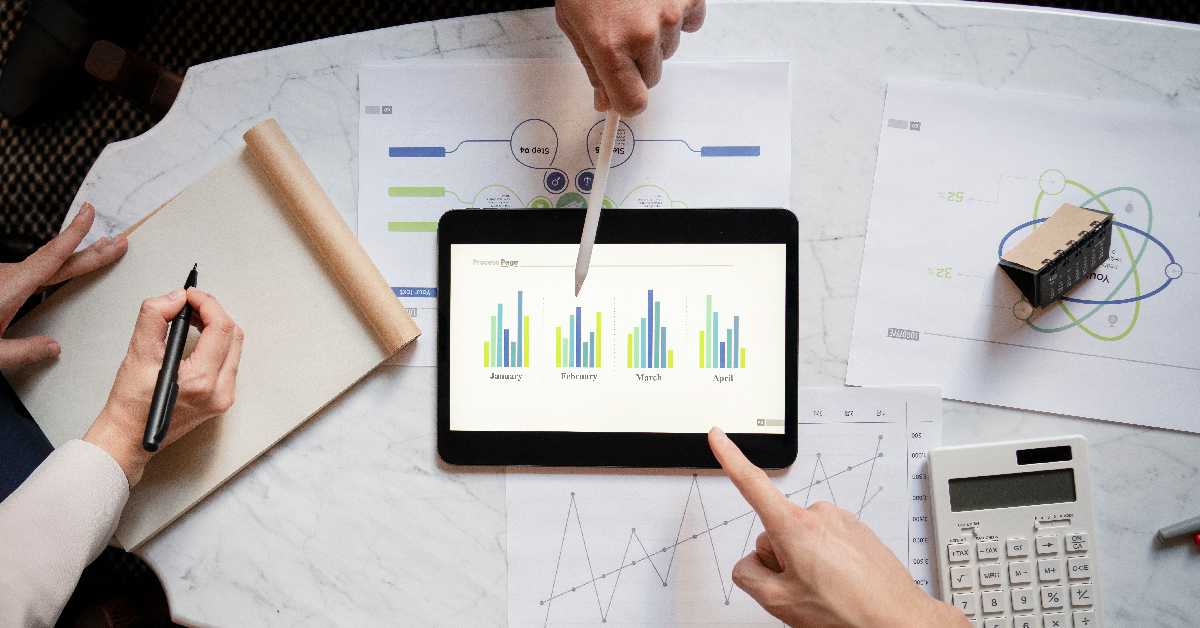
All of us have felt that sinking sensation at the end of a month. Checking your bank balance, you wonder why a paycheck that seemed substantial two weeks earlier has now dropped to double digits. You can blame unexpected costs or rising prices, but often the truth lies in small purchases that you forgot about. This is when expense tracking becomes important. Keeping track isn’t just about guilt or restriction. Awareness is key. Understanding where your money is going gives you the power to spend it on what matters most to you. This guide explains how changing a single habit can change your financial trajectory.
Introduction to Expense tracking
The simple act of recording each transaction is expense tracking. It includes everything from the monthly rent check to the morning coffee. It is not the goal to judge you but to accurately record your financial life. Clarity is the first step to financial freedom. Many people are afraid of what they will find. This tool removes the mystery surrounding your bank account and replaces it with cold, hard numbers that you can use.
Understanding Your Current Spending
We are all terrible at estimating our spending. We often think that we spent $200 on groceries, but we forget to include the snacks we buy during the week or takeout when we’re too exhausted to cook. Mental math will always lead you to underestimate your expenses. The most shocking aspect of this process is realizing that you are spending more than you thought. This reality check will help you break bad habits and create a financial plan based on facts rather than assumptions.
The Benefits of Tracking Expenses
The psychological benefits of tracking your money are immediate. Knowing where you are allows you to stop worrying if a purchase is going to cause you an overdraft. This tool also helps you identify money leaks such as forgotten subscriptions or habits that drain your wallet. This practice will help you build a realistic financial plan, pay off debt faster, and save money for important goals, such as a vacation or a down payment on a home. This practice changes your mentality from a passive observer to an active manager of your finances.
The Right Method for Tracking Expenses
The method you are most likely to use is the best. Some people like the tactile experience that comes with a notebook and a pen. They write down their receipts to help them remember what they spent. Some people prefer spreadsheets with custom formulas and detailed categorization. Mobile apps that link directly to bank accounts can automate the categorization of transactions. When making this choice, consider your lifestyle and level of tech knowledge. Consistency is hampered by friction.
Set up your Expense Tracking system
After you’ve chosen your tool, you will need to create categories. Beginners should stick to broad categories such as housing, transportation, food, and entertainment. Don’t get too specific right away. Too many categories can be overwhelming and make you stop logging your data. It is important to design a system that is simple to use. Decide whether you want to log your purchases immediately after the purchase or at a weekly review.
Analysing Your Expense Data
You must then review the data to make the information useful. You can track your spending by searching for patterns at the end of each month. You may be spending more on dining out or have higher utility bills. You can make informed decisions based on this analysis. You can decide to reduce spending in one area and fund an activity that gives you more pleasure, aligning your spending with your priorities.
How to Stick to your Expense Tracking
It takes patience and time to build a new habit. It is okay to miss a day or forget to record a cash transaction. Don’t let perfectionist tendencies stop you from completing the process. Consider pairing your new habit with a routine you already have, such as checking your email every morning or drinking tea in the evening. When the process becomes tedious, remind yourself of your financial objectives. Your efforts now will pay off in the future in terms of financial security and peace of mind.
Take control of your financial future
Tracking your expenses is more about empowerment than restriction. You can use it to help you align your spending and your values, as well as achieve your long-term goal. Begin today by recording just one day’s spending. You may be surprised at what you discover about yourself and your finances.
FAQs
1. How often should my expense tracker be updated?
Ideally, you should record expenses at the end of each day or as soon as they occur. You can also set aside some time every week to update your tracker and review your bank statement if that is too much. It is important to avoid a backlog that makes it difficult to manage.
2. Can I securely use apps to track my bank account-linked expenses?
The majority of reputable apps that track expenses use encryption at the bank level and only read-only access. This means they can’t move your money but only view it. You should read reviews and research the security protocols of an app before submitting your sensitive financial information.
3. What should I do with my cash?
Cash is the most difficult to track, as there is no paper trail. Asking for a receipt or making a note on your phone after each purchase is the best way to track cash. If you would rather not keep track of every little cash item, you can treat cash withdrawals as one expense.
4. Would you be able to stop tracking your expenses?
Once they’ve established a budget and have a decent handle on their spending, many people don’t need to keep track of every penny. You can switch to a regular monthly check-in or track only specific categories of problems. Whenever your financial situation changes, it is useful to return to detailed tracking.
5. What is the difference between budgeting and expense tracking?
Budgeting looks forward to what you intend to spend, whereas expense tracking looks backwards at what you’ve already spent. The data that you collect from tracking will help you create a realistic and effective budget. A budget without tracking is a guess. With tracking, the budget becomes a strategic plan.

Michael Turner covers smart spending and money management topics at CapitalComLucro. His articles aim to help readers develop healthier financial habits by understanding budgeting, everyday expenses, and decision-making patterns. His content is informational and intended for general education.