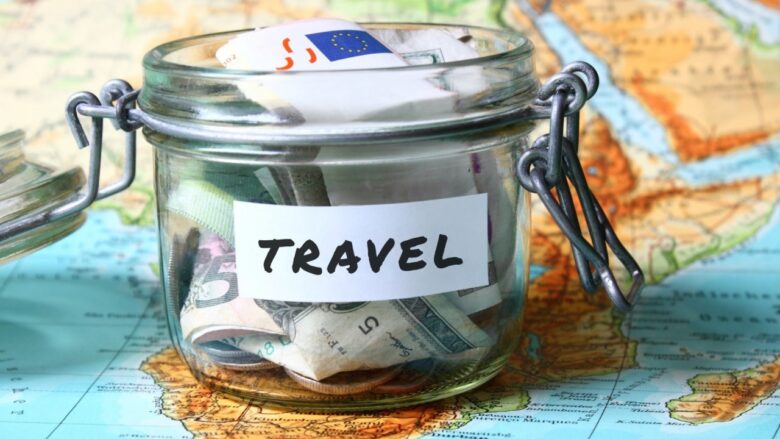
Traveling is one of life’s greatest joys, but without a sound budget, it can be incredibly expensive. Many people think travel is expensive, but you can visit beautiful places, have unforgettable experiences, and even save money for future trips. Spending wisely doesn’t mean giving up all the fun; it simply means making smarter, more thoughtful choices. Knowing how to manage your travel expenses wisely allows you to do more, see more places, and create more wonderful memories without worrying about your bank account. This book introduces some simple and practical methods to help you enjoy your travels without overspending.
Understanding the Importance of Smart Travel Spending
The essence of smart travel spending is maximizing what you have. You don’t rush or waste your money; instead, you plan carefully and make choices that are both economical and worry-free. When you travel with a clear budget and a smart mind, you don’t waste money on unnecessary things and can focus on what truly matters. This way, you won’t have to worry about money during or after your trip. Developing positive spending habits can also help you experience more unexpected wonders for less. Changing your spending habits can transform your travel experience, giving you more freedom, comfort, and enjoyment during your trip.
Planning Early and Setting a Realistic Travel Budget
Planning ahead is one of the best ways to save on travel expenses. By planning your trip several months in advance, you can book flights, hotels, and tour packages at better prices. Planning ahead also gives you time to research, compare different options, and make the most cost-effective choice. Another important step is creating a budget that you can stick to. A budget helps you plan activities during your trip and prevents you from overspending on unnecessary items. A reasonable travel budget should include food, accommodations, activities, shopping, and unforeseen expenses. With a clear plan, you can enjoy every moment of your trip without worrying about how you’ll pay for unexpected expenses.
Choose a Cost-effective Travel Season and Destination
Your travel destination has a significant impact on your expenses. It’s understandable that some cities and countries are pricier than others. Selecting a destination that is affordable will significantly simplify and reduce the stress of your trip. Different times of the year also significantly impact travel expenses. During peak season, prices rise for everything from hotels to airfare. Traveling during the off-season or summer allows you to enjoy the same pleasures for less. With fewer tourists, the experience is more relaxed and enjoyable. Choosing the right time to go to the right place maximizes your travel enjoyment and saves you the most money.
Saving on Travel and Airfare
Transport is a significant expense when traveling. When traveling, it’s wise to search for cheap flights, plan your itinerary flexibly, and use price comparison websites. Traveling on weekdays or opting for connecting flights instead of direct flights can significantly reduce costs. Once you arrive at your destination, it’s also important to choose the right local transportation. Besides taxis or expensive car rental companies, there are also more affordable options. You can choose to take public transportation or walk short distances. These seemingly small decisions can add up to significant savings, giving you more time to explore at your pace.
Enjoying Delicious Local Food While Spending Wisely
Food is one of the greatest joys of travel, but if you eat at expensive restaurants every day, your savings will quickly disappear. A smart way to travel is to choose street vendors, local shops, and small family-run restaurants that offer authentic and affordable food. Generally, the food at local restaurants is fresher and tastier than at tourist establishments. Another way to save money is to avoid eating at expensive tourist attractions and instead explore local neighborhoods. Sampling local food saves you money and gives you a better understanding of the local culture.
Making Smart Choices for Travel Activities and Experiences
The various activities you participate in during your trip can significantly impact your budget. Some travelers feel obligated to spend money at every popular attraction, even if they’re not interested. Smart spending means prioritizing the activities that are truly important to you. Many places offer free or inexpensive activities, such as beaches, parks, historical sites, museums, and cultural events. You can learn a lot at these places without spending too much. By combining paid attractions with free activities, you can have a fulfilling travel experience without breaking the bank.
Saving on Travel with Apps and Technology
In today’s digital age, technology is an essential part of smart travel spending. Travel apps allow you to compare flights, book cheap rooms, find deals in your area, and discover affordable restaurants. These apps provide real-time information to help you better plan your budget. If you book your trip through multiple websites, you can also earn rewards points, cashback, or special offers. These tools help you prepare and save money every step of the way. With the right tools, planning your trip becomes easier, and your journey will run more smoothly.
Conclusion
In short, knowing how to spend wisely allows you to enjoy your trip more while keeping your budget under control. This way, you can visit new places, try new foods, enjoy exciting activities, and create unforgettable memories without worrying about money. Planning ahead, making smart choices, and controlling your spending will make your trip more enjoyable and fulfilling. Being a smart traveler doesn’t mean restricting yourself; it means spending your money on things that enhance and enrich your travel experience. With the right mindset and practical strategies, you can have unforgettable adventures while saving even more money.
FAQs
1. What are some ways to travel on a budget?
By planning ahead, choosing cheaper destinations, staying in affordable accommodations, and traveling by bus or train, you can travel even on a budget.
2. How do I find cheap flights?
By planning your itinerary flexibly and comparing prices from different airlines, you can save on airfare.
3. Is traveling off-season really cheaper?
In fact, avoiding peak season usually means lower prices for flights, hotels, and activities, and fewer tourists.
4. How can I avoid overspending on my trip?
Creating a clear budget and tracking your daily expenses helps you manage it effectively.
5. Will my travel experience still be positive if I limit my travel expenses?
Absolutely. By planning your travel expenses wisely, you can have more memorable experiences and reduce financial stress.